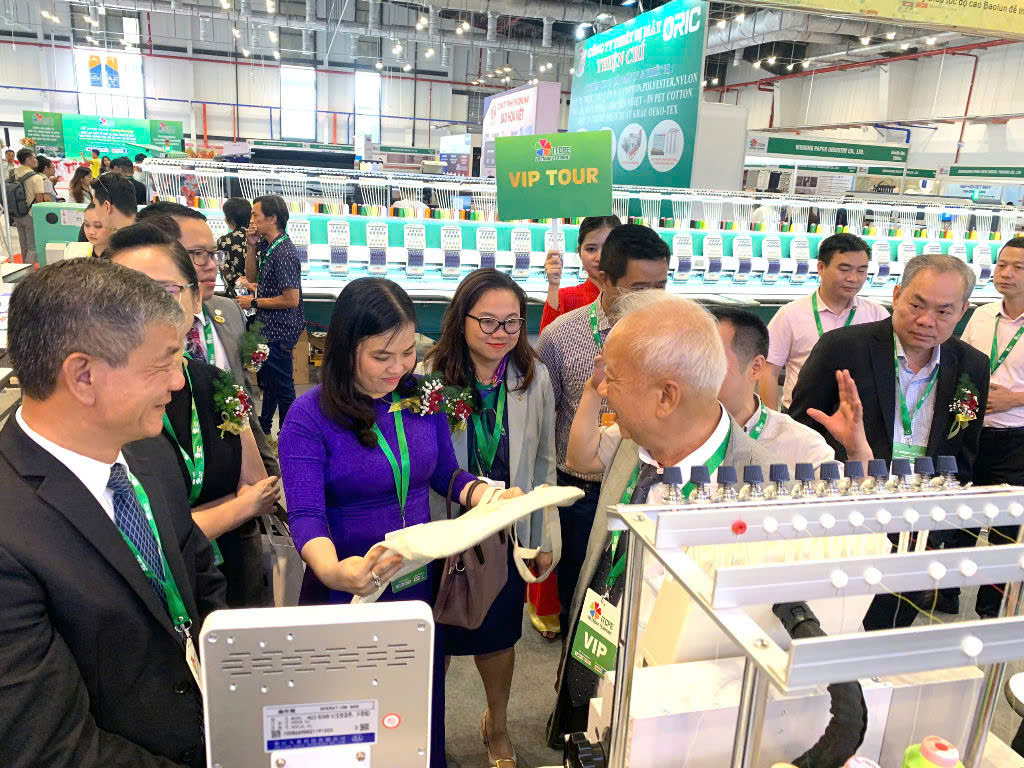
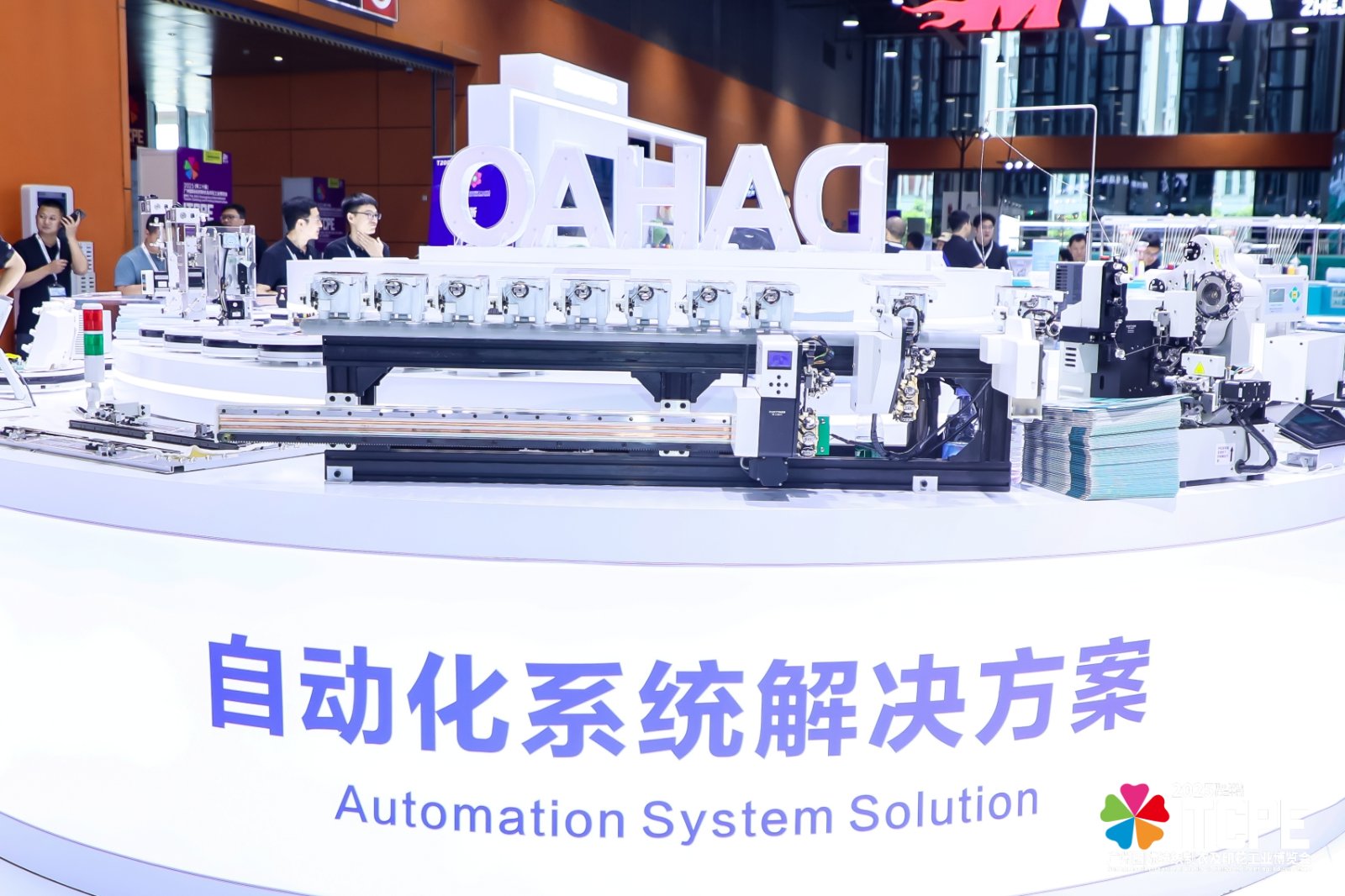
As the industry develops, digital textile printing equipment is gradually replacing traditional printing methods. From small-volume printing on demand to high-precision mass production, digital textile printing technology brings many outstanding benefits, in line with the trend of optimizing production lines.
What is Digital Fabric Printing?
Digital fabric printing is a method of using a digital printer to spray ink directly onto the fabric surface, instead of through a printing plate, printing plate or printing screen like traditional techniques. Thanks to that, the images and patterns created are sharp, vivid and can be flexibly customized according to the desired design.
This technology is especially suitable for small and medium-sized businesses, personalized printing workshops, or fashion brands with a made-to-order model.
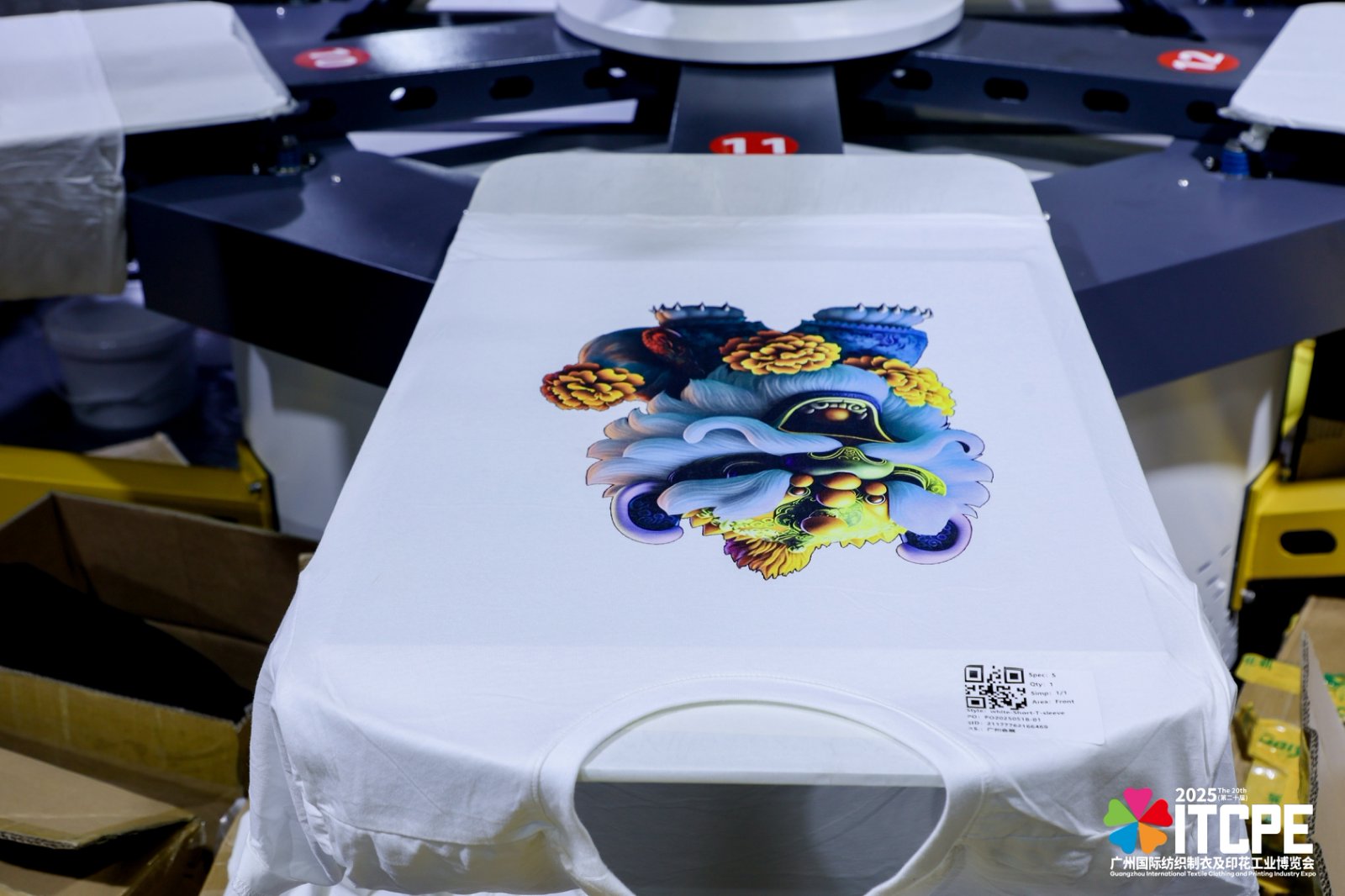
Basic Structure of Digital Fabric Printing Equipment
A digital textile printing equipment usually includes the following main parts:
- Print head system : This is the most important part, determining image quality and printing speed. Brands such as Epson, Ricoh, and Kyocera are often used for high quality print heads.
- RIP Controller and Software : Allows users to adjust print parameters, manage colors and arrange images on fabric.
- Conveyor belt or printing table : Depending on the machine type, it can be in roll or sheet form.
- Drying and color fixing system : Includes infrared drying lamp or heat chamber to dry and fix the ink on the fabric.
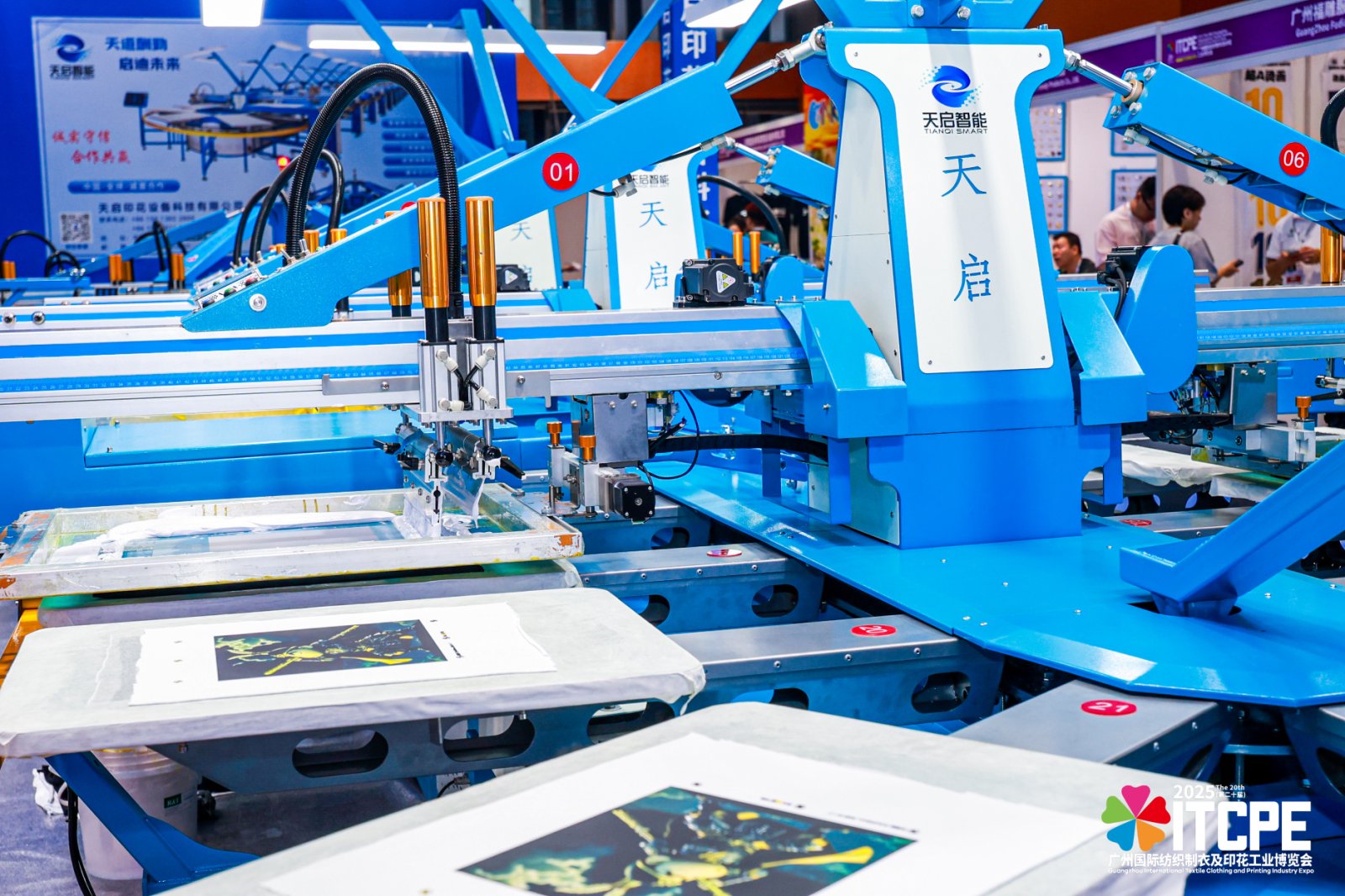
Popular Digital Fabric Printers
Currently on the market there are many different lines of digital fabric printing equipment, suitable for each purpose of use:
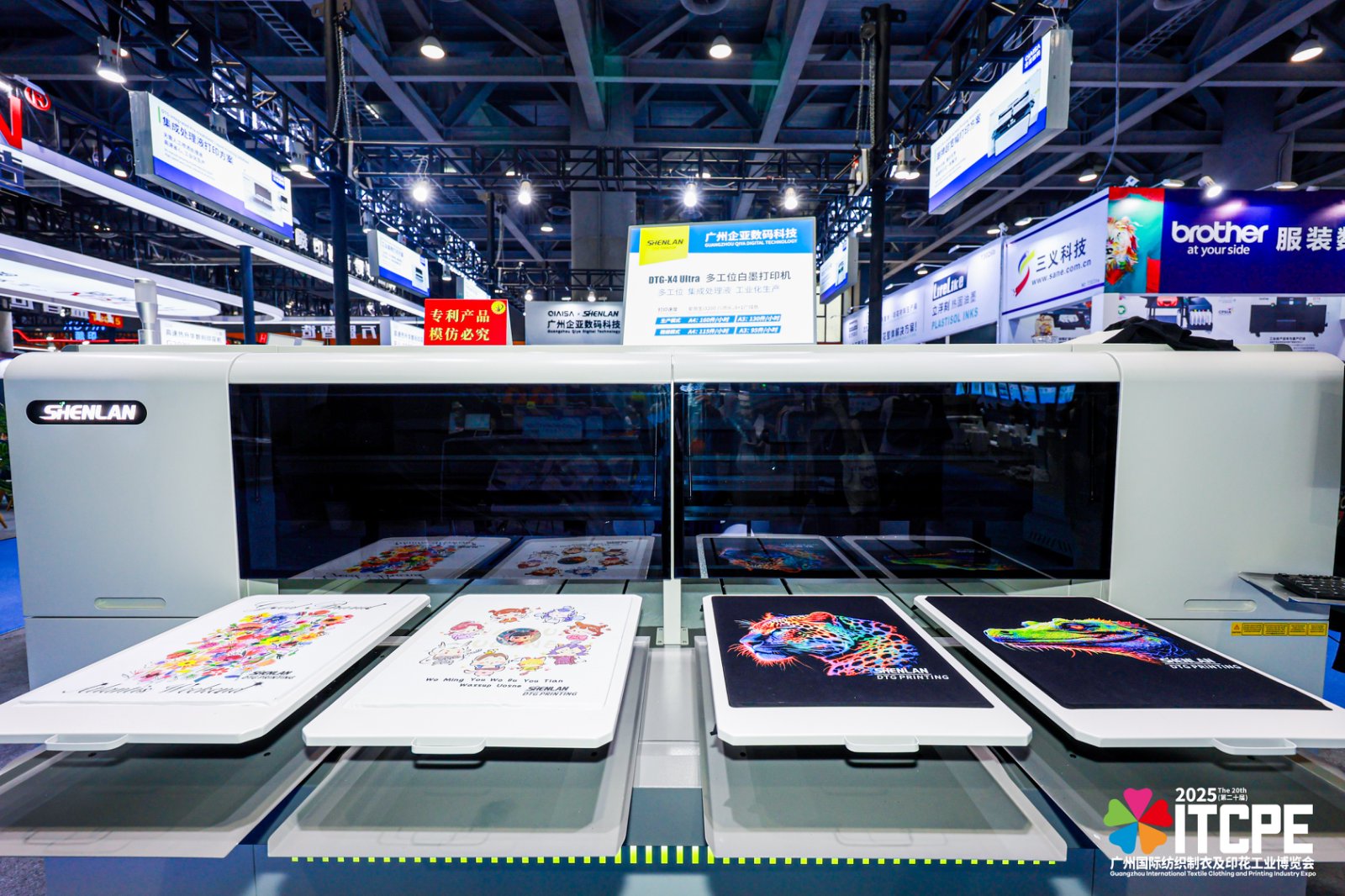
1. DTG (Direct to Garment) Printer
Direct printing machine onto shirts or cotton fabric, often used in personalized t-shirt printing. DTG is suitable for small orders, printing on demand with fast turnaround time.
2. Sublimation printer
Apply sublimation ink printing technology to transfer paper, then heat press to print onto polyester fabric. This printer is widely used in the production of sportswear, jackets, and home decoration.
3. UV printer on fabric
This machine uses UV ink to print directly onto special materials such as imitation leather, waterproof fabric or canvas. The outstanding features are fast drying, bright colors, color fastness and no need for heat treatment.
Advantages Of Digital Fabric Printing Equipment
- Flexible and fast : Allows printing of individual models without the time-consuming task of creating molds.
- Cost savings in small orders : Suitable for production models according to orders or limited products.
- High accuracy : Printed images are true, without color deviation or distortion.
- Save on materials : Digital printing inks are typically high yield and low waste.
Widely Used In Many Fields
Digital fabric printing equipment is not only used in clothing production, but also present in many other fields such as:
- Printing curtains, bed sheets, pillowcases
- Print bags, backpacks, canvas shoes
- Print wall hangings, advertising banners
- Production of personalized souvenir products
Diversity in application is one of the factors that makes digital printing technology increasingly popular.
Conclude
Digital textile printing equipment is not only a modern printing solution, but also the key to help textile enterprises improve efficiency, reduce costs and quickly meet market demands. In the context of increasingly fierce competition, investing in advanced textile printing technology is a strategic step to help businesses stand firm and develop sustainably in the new era.
Contact information & registration
- Website: https://vnitcpetexprint.com
- Fanpage: https://www.facebook.com/texprintVietnam/
- Zalo OA: https://zalo.me/593405122553166577
Vietnam Advertisement and Fair Exhibition Joint Stock Company (VIETFAIR)
Address: Border Guard Newspaper Building, 40A Hang Bai, Hoan Kiem, Hanoi
Contact: Ms. Nguyen Hai - Email: nguyenhai@vietfair.vn | Tel: (+84) 913 546 822