Cultural views on gambling How perceptions shape our experiences
Understanding Gambling in Different Cultures
The concept of gambling varies significantly across cultures, influencing how individuals perceive and engage with it. In many Western societies, gambling is often viewed as a form of entertainment or a leisure activity. For example, casinos in Las Vegas are seen as vibrant entertainment hubs, attracting millions of visitors eager to experience the thrill. Conversely, in certain Asian cultures, gambling can carry a more complex stigma, intertwined with notions of luck, fate, and even familial honor. This dichotomy shapes not just individual attitudes but also societal norms regarding gambling practices. Online platforms like banger casino highlight how these cultural views manifest in modern settings, creating new landscapes for engagement.
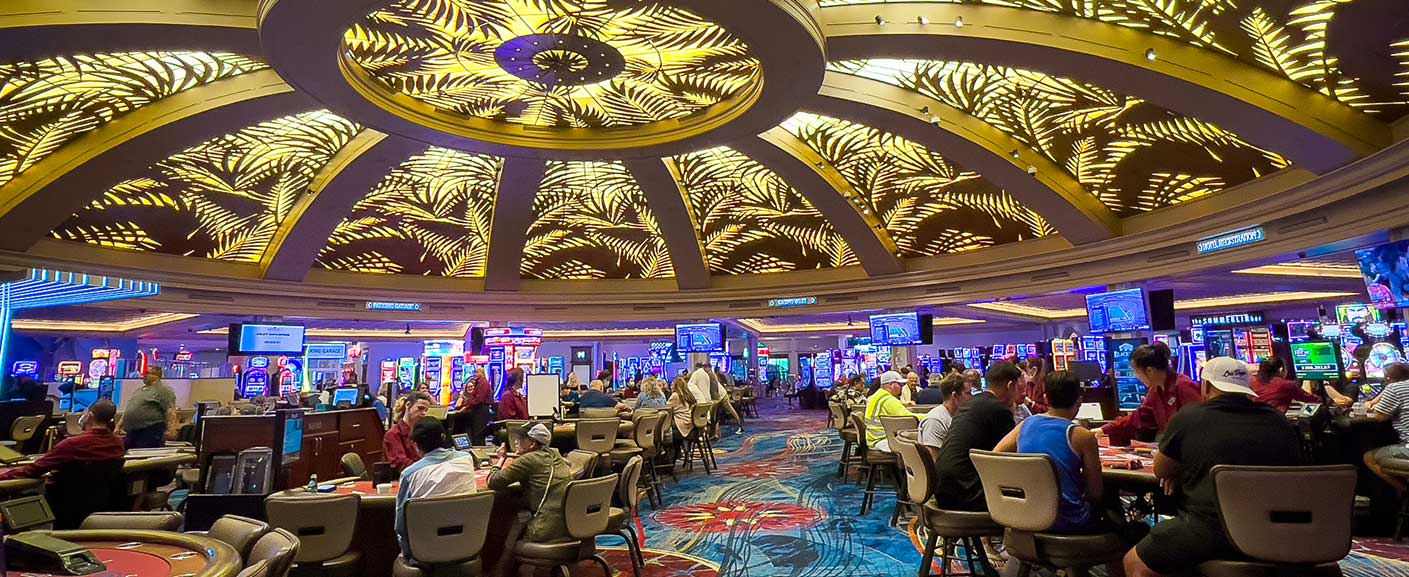
Moreover, the legality and regulation of gambling reflect cultural perceptions. In places like the United Kingdom, gambling is largely accepted and regulated, contributing to a robust economy through taxes and job creation. In contrast, countries where gambling is illegal may have underground gambling operations, revealing the conflict between cultural values and personal desires. This highlights how societal views can dictate the nature of gambling experiences, influencing everything from the legality to the types of games available.
The perception of gambling as a sin or a vice in some cultures, particularly in regions influenced by religious beliefs, can result in harsh penalties for participants. In countries with strict laws against gambling, societal attitudes may create a sense of shame or guilt surrounding the activity. This cultural lens significantly shapes individuals’ gambling experiences, making them cautious or even secretive about their actions, leading to a complex web of behaviors and interactions in social settings.
The Role of Social Norms and Stigmas
Social norms surrounding gambling can play a critical role in shaping personal experiences and collective attitudes. In cultures where gambling is normalized and celebrated, such as during specific festivals or events, individuals often feel encouraged to participate. This acceptance can foster community bonding and shared excitement. For instance, local fairs may include carnival games that echo traditional betting practices, thus weaving gambling into the fabric of societal customs.
Conversely, in environments where gambling is stigmatized, individuals may face judgment or alienation. This stigma can lead to feelings of isolation, particularly among those who engage in gambling activities but do so secretly. As a result, the experience of gambling may become fraught with anxiety, overshadowed by fear of societal rejection or familial disapproval. Understanding these norms is crucial, as they can significantly impact how individuals approach gambling, both as participants and observers.
The interplay between personal experience and cultural perceptions can also give rise to generational differences in attitudes toward gambling. Younger generations may be more accepting of gambling as a pastime, often seeing it as a form of social interaction, while older generations might maintain a more conservative stance. This shift can create friction in families and communities, revealing how cultural perceptions evolve over time and the complexities involved in navigating these changes.
Media Influence on Gambling Perceptions
The media plays a substantial role in shaping public perceptions of gambling, often glorifying the thrill while downplaying the potential consequences. Movies, television shows, and advertisements frequently depict gambling as glamorous and exciting, contributing to a romanticized view. For example, films portraying high-stakes poker games can lead audiences to believe that winning is easily attainable, creating unrealistic expectations around gambling experiences.
Additionally, the rise of online gambling platforms has changed the landscape significantly. With targeted marketing strategies, these platforms attract a diverse audience, from seasoned gamblers to curious newcomers. The portrayal of online casinos as safe and accessible can alter traditional perceptions, making gambling appear more mainstream. However, this increased visibility may also contribute to desensitization towards the potential risks, making it imperative for individuals to critically assess their gambling habits.
Social media further amplifies gambling narratives, with influencers promoting various platforms and often glamorizing gambling lifestyles. These portrayals can create aspirational content that appeals to younger audiences, potentially normalizing gambling as an everyday activity. However, such portrayals can also mask the underlying issues, such as addiction or financial hardship, leading to a skewed understanding of the reality behind gambling experiences.
Gambling and Economic Impacts
The economic implications of gambling cannot be overlooked, as they intertwine closely with cultural perceptions. In regions where gambling is culturally accepted, it often serves as a significant revenue stream for governments through taxes and job creation. This economic benefit can reinforce positive views of gambling, leading to further expansion of casino establishments and related industries. For instance, cities that host large casinos typically see an influx of tourism, benefiting local businesses.
However, there are also negative economic consequences associated with gambling. Communities may experience increased rates of debt and bankruptcy, particularly when gambling becomes a compulsive behavior. The financial strain on individuals and families can ripple throughout the community, creating a societal burden that contradicts the initial economic benefits. This duality of gambling as both a potential economic driver and a source of personal financial distress illustrates the complexities of cultural views on the topic.
Furthermore, government initiatives aimed at promoting responsible gambling can be seen as a response to the adverse effects of the industry. These initiatives highlight a growing recognition of the need for balance between promoting economic growth and safeguarding individual welfare. Ultimately, the cultural perceptions surrounding gambling can significantly influence how these economic impacts are managed and regulated, shaping the experiences of individuals and communities alike.

Exploring Online Gaming with Banger Casino
As cultural attitudes toward gambling continue to evolve, platforms like Banger Casino offer a contemporary take on the gaming experience. Catering to both seasoned players and newcomers, this online casino creates an inviting atmosphere that aligns with shifting perceptions. With a diverse array of games, including slots, table games, and live dealer experiences, players can engage with gambling in a way that resonates with their preferences and comfort levels.
Banger Casino emphasizes the importance of a secure and user-friendly experience, ensuring that players feel safe as they explore the world of online gaming. The availability of generous bonuses and promotions not only enhances the entertainment value but also encourages a responsible approach to gambling. By prioritizing customer support and maintaining a commitment to security, Banger Casino fosters a welcoming environment that can help reshape cultural perceptions of online gambling.
Ultimately, the experience offered by Banger Casino reflects broader trends in gambling culture, merging traditional elements with modern technology. As players engage in this evolving landscape, their perceptions and experiences are likely to be influenced by the interplay of cultural views, societal norms, and economic realities, making the world of gambling as rich and diverse as the individuals who partake in it.